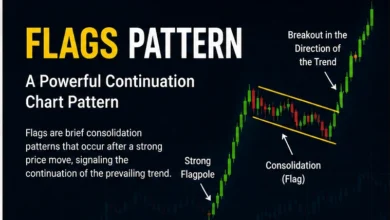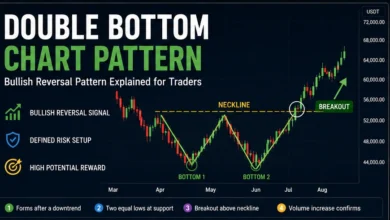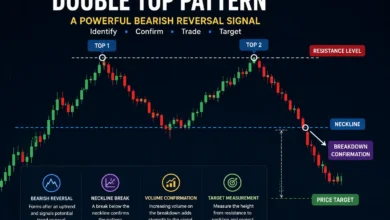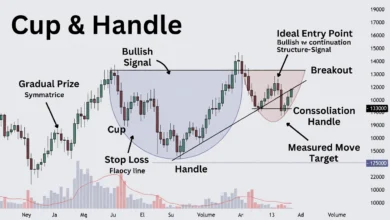
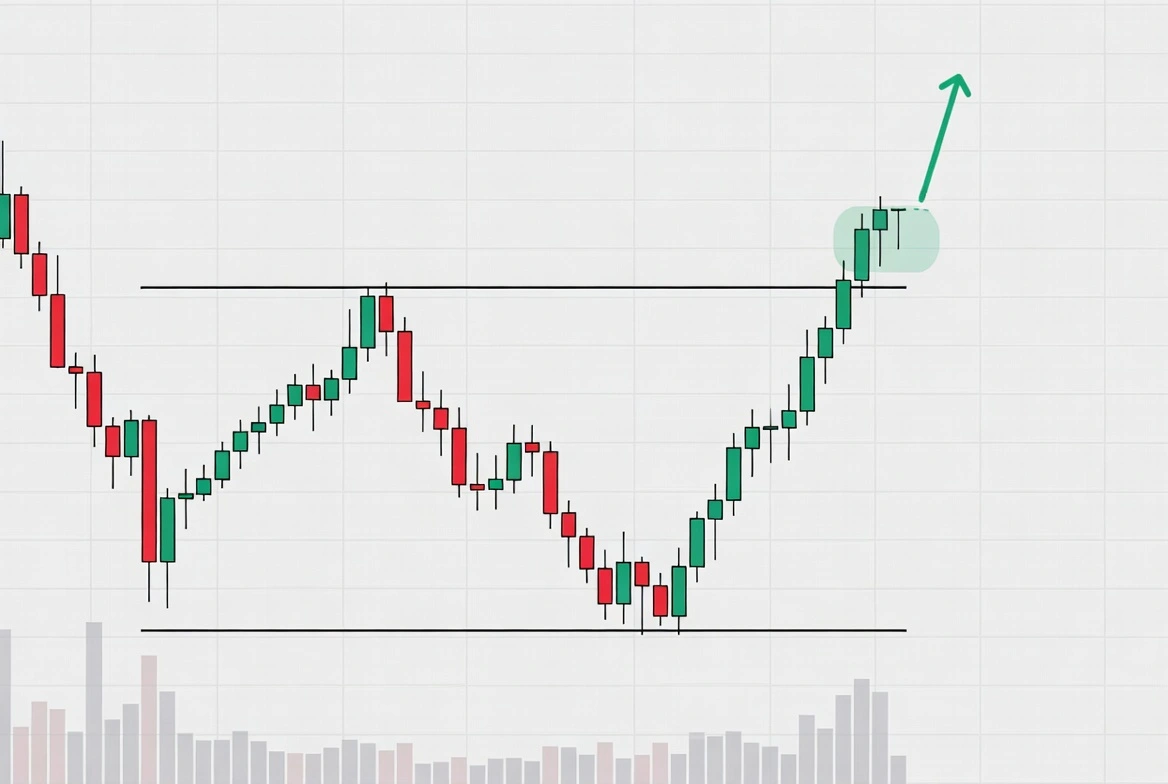

The rectangle pattern ranks among the clearest and most reliable formations in technical analysis. It appears when price moves sideways between two parallel horizontal lines, forming a distinct rectangular box on the chart. This consolidation phase shows buyers and sellers battling for control without a clear winner yet. Traders watch it closely because it often signals that the previous trend will continue once the price finally breaks out.
Spotting a Rectangle Pattern on Any Chart
To identify a rectangle, look for at least two swing highs that touch the same resistance level and two swing lows that rest on the same support level. Draw a straight horizontal line across those highs and another across the lows. The price should bounce between these boundaries multiple times, creating the box shape. Volume usually drops during the formation, showing that market participants are waiting for a decisive move.
Rectangles can form in both uptrending and downtrending markets. In an uptrend, it acts as a bullish continuation pattern. In a downtrend, it signals bearish continuation. The longer the rectangle lasts and the more times price tests the boundaries, the stronger the eventual breakout tends to be. Always confirm the pattern on higher timeframes for better reliability.
The Market Psychology Inside the Rectangle
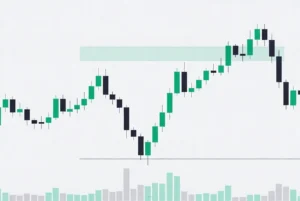
Inside a rectangle, bulls defend the support level every time price drops toward it, while bears push price down from the resistance level. This creates a period of indecision and equilibrium. Neither side has enough power to break the other yet, so price stays trapped in the range. As days or weeks pass, pressure builds until one group finally overwhelms the other.
This psychological standoff explains why rectangles often lead to explosive moves once broken. The longer the consolidation, the more energy is stored for the breakout. Smart traders monitor how price reacts at the boundaries and watch for clues like decreasing volume followed by a sudden spike.
Two Powerful Ways to Trade the Rectangle
You can trade rectangles in two main ways. The first is range trading: buy near the support line and sell near the resistance line while price stays inside the box. Use tight stop losses just beyond the opposite boundary. This approach works well in low-volatility periods and can generate multiple small profits.
The second and more popular method is breakout trading. Wait patiently for a strong close above resistance (for longs) or below support (for shorts). Confirm the breakout with higher than average volume. Once price escapes the rectangle, the old resistance often becomes new support, and old support turns into resistance. This role reversal provides excellent opportunities for follow-up entries on pullbacks.
Calculating Profit Targets with the Measuring Rule
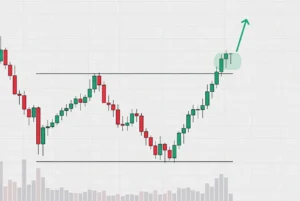
After a valid breakout, use the rectangle’s height to set realistic profit targets. Simply measure the vertical distance between the support and resistance lines. Then add that same distance to the breakout point for an upside target, or subtract it for a downside target. This technique gives a logical, pattern-based goal instead of guessing.
Always combine this target with proper risk management. Place your stop loss on the opposite side of the rectangle to give the trade enough room. Many experienced traders move their stop to breakeven once price reaches half the projected target. This way, even if the move fails, you protect your capital.
Avoiding Common Rectangle Trading Mistakes
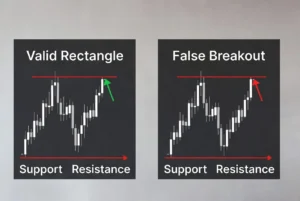
One of the biggest pitfalls is jumping on false breakouts. Price may briefly poke above resistance or below support only to snap back inside the range. To avoid this, wait for a full candle close outside the rectangle and preferably on expanding volume. Some traders add a small percentage filter (like 1-2%) before entering.
Another mistake is ignoring the bigger trend. Rectangles work best as continuation patterns, so trading them in the direction of the dominant trend increases success rates. Also, avoid very short rectangles that last only a few candles, as they tend to be less reliable.
Where Rectangle Patterns Appear Most Often
Rectangle patterns show up across all financial markets — stocks, forex, commodities, and cryptocurrencies. They frequently form after major news events, during holiday periods, or when institutions accumulate or distribute positions quietly. In crypto, rectangles often appear during sideways markets between hype cycles.
The pattern works on any timeframe, but daily and weekly charts usually deliver cleaner and more profitable setups. Intraday traders can use 15-minute or 1-hour rectangles, though they must accept higher false breakout rates and adjust risk accordingly.
Mastering the rectangle pattern gives traders a simple yet highly effective tool for both ranging and trending markets. Its clear boundaries, measurable targets, and straightforward psychology make it one of the most practical chart patterns available. With disciplined identification, patient waiting for confirmation, and solid risk rules, the rectangle continues to help traders capture reliable moves in today’s volatile markets.